
Flights are now operating from Manchester to Mumbai – here’s everything you need to know before you travel
· New Manchester to Mumbai service launched earlier this month, becoming the North’s only direct, year-round route to India
· Around 70,000 people per year who were already flying from Manchester to Mumbai, but indirectly, will now be able to take advantage of a direct link.
· Manchester Airport has collated information and advice for those travelling to India for the first time.
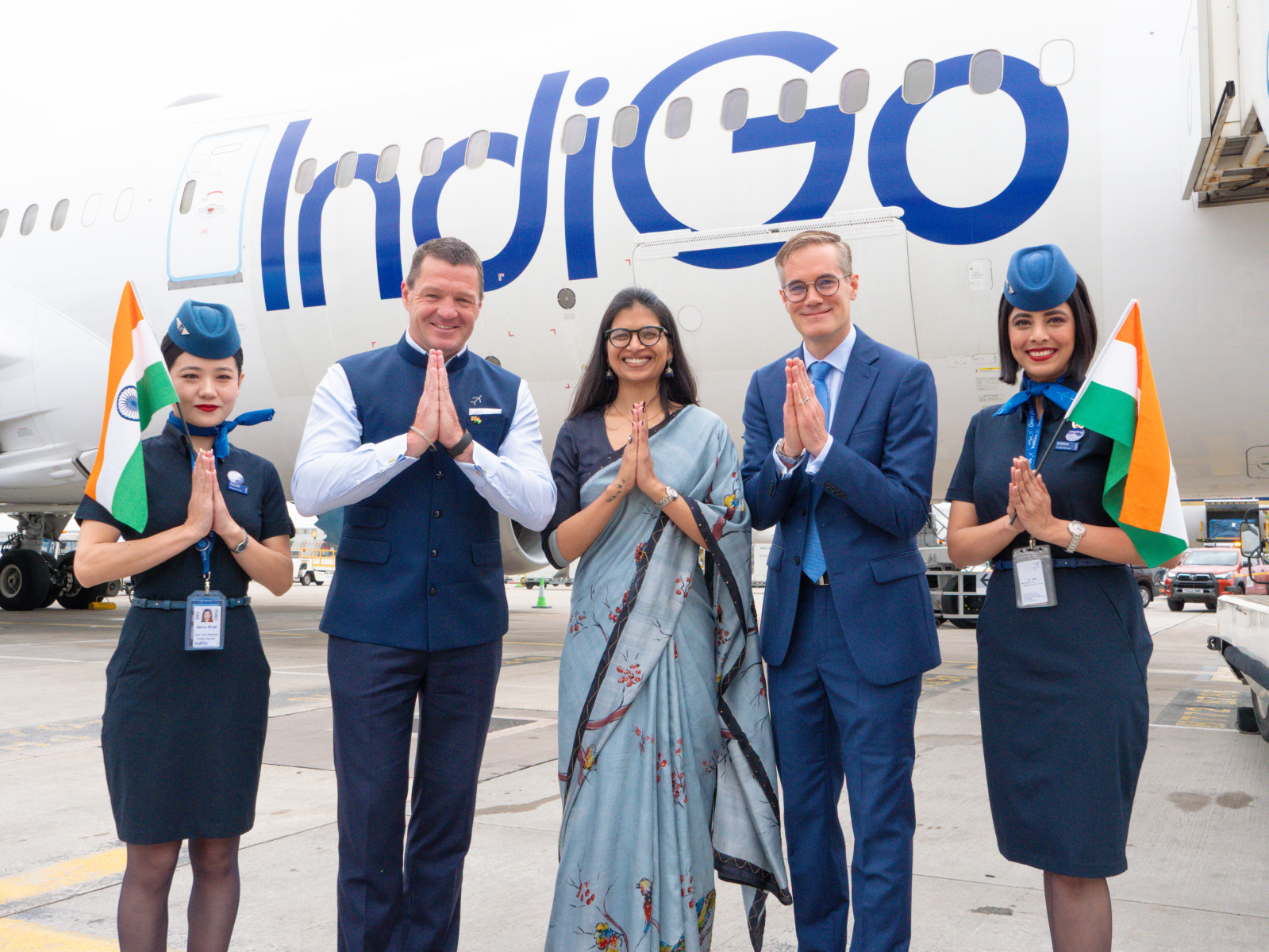
Manchester Airport celebrated the addition of another long-haul route to its growing network of over 200 destinations when IndiGo launched direct flights to the Indian city of Mumbai earlier this month.
The new IndiGo service – the North’s only direct, year-round route to India – is likely to support £32.9m increase in exports from the region to the world’s fastest-growing economy a year.
There are already around 234,000 people who travel from Manchester Airport’s catchment area to Mumbai every year, roughly 70,000 of whom flew from Manchester, but indirectly.
Many of those taking advantage of the new direct route are expected to be Indian nationals living here in the North, visiting friends and relatives back home. But many others will be holidaymakers, backpackers and business travellers heading to India for the first time.
Here we’ve collated everything you need to know before jetting off to India – including the documentation needed, the facilities available at the airport, obtaining cash, and how to get consular help should you need it.
Jennifer Byrne-Smith, Director of Customer Operations at Manchester Airport, said:
“It’s so exciting to have a year-round, direct flight to India from Manchester Airport – the only route of its kind in the North of the UK. We know it will prove extremely popular with travellers of all ages and backgrounds – from backpackers wanting to explore everything the country has to offer, to businesspeople travelling for work and Indians living here in the North who are visiting friends and family.
“For those who haven’t travelled to India before, there is more to consider and more preparation to be done than would be necessary for a trip to a holiday hotspot on the Med like Mallorca or Mykonos – so we want people to make sure they plan ahead and make the preparations necessary to ensure they have an enjoyable trip.”
**Be sure to check the Foreign and Commonwealth Development Office’s foreign travel advice for India before you make your trip. To be notified if this advice changes while you’re travelling, you can sign up for email updates here.**
Visas and documentation
To enter India, you must have at least six months of remaining validity on your passport and at least two blank passport pages.
You’ll also need to obtain a visa before you travel, unless you’re an Indian national holding an Overseas Citizen of India (OCI) card. If you’re visiting as a tourist, you can get an e-Tourist visa for 30 days, or for multiple entries into the country over one year or five years, which can be applied for online through the Indian government website. Visitors travelling to India on a one-year or a five-year e-Tourist visa can remain in the country for up to 180 days per calendar year, and this can be spread across multiple visits.
A fee of between 10 and 25 USD is applicable for a 30-day e-Tourist visa, depending on the time of year you travel.
Indian government guidance states you should apply for your e-Tourist visa at least four days prior to your arrival in the country.
Travel vaccinations
When travelling to India you’ll need evidence of having been vaccinated against Yellow Fever or Polio if you’ve recently travelled to countries where these diseases are present. A number of inoculations are recommended for most travellers to India, including Hepatitis A, Tetanus and Typhoid. Some travellers, particularly those who are immunocompromised or planning to spend time in rural areas, may need additional jabs. See TravelHealthPro’s India guide for more information.
Travel insurance
It’s important to take out a travel insurance policy before you set off on your trip. The FCDO advises that travel insurance “should cover your itinerary, planned activities and expenses in an emergency”. The Citizens Advice website offers a comprehensive guide on what to consider when choosing a travel insurance policy.
Money
Indian Rupees are a protected currency and there are strict rules governing bringing them into, or taking them out of the country. This means you won’t be able to obtain Indian currency before departing the UK and you’ll need to get it from a bank or currency exchange when you arrive in India. You can bring foreign currency into India with you, but you must declare any amount above 5,000 USD in notes, or 10,000 USD in notes and travellers cheques combined.
At Manchester Airport
IndiGo’s service to Mumbai operates from Terminal 2.
If you’re travelling to the airport by car, make sure you book parking in advance to get the best price. If you’re being dropped off by a friend or relative, they can now take advantage of the airport’s new barrierless drop off system, which will improve the overall experience for both drivers and passengers by streamlining the process. Users can pay by visiting pay.manchesterairport.co.uk or by calling 0345 901 3318, up to midnight on the day following their visit. Free drop-off is also available in JetParks 1, with a quick shuttle bus ride to the terminals, operating 24/7.
Aim to arrive three hours before your flight is due to depart, to allow adequate time for check-in and security, and ensure that your luggage is compliant with security rules. You can find out more about Terminal 2’s shops and eateries here.
Special assistance is provided by ABM and should be booked in advance through your airline.
At Mumbai Airport
There are two terminals at Mumbai Airport and IndiGo operates its Manchester service from Terminal 2.
Indian currency exchange Ebix Cash operates a unit in T2 Arrivals, so you can take out cash here if you need it. More information on the shops, restaurants and facilities available at Mumbai Airport can be found on its website.
Special Assistance is also available if needed, and should be booked through the airline when you book your flights.
What to see
The old city of Mumbai is tightly packed in at the foot of a peninsula, jutting out into the Indian Ocean, and most of the famous sights are concentrated here – making Mumbai a very walkable city for tourists.
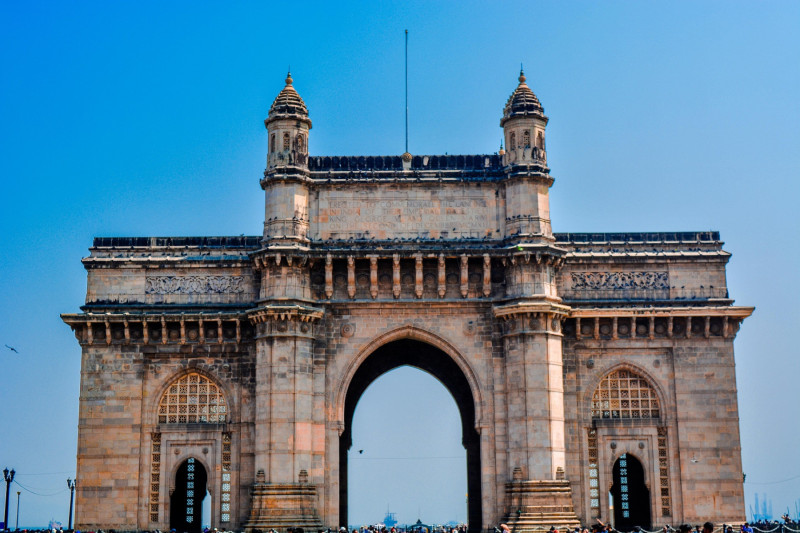
The Gateway of India is a triumphal arch of more than 26m in height, towering over Mumbai’s port. Built in 1924 to mark the first visit of a British monarch to India, it has become an iconic symbol of the nation, and Mumbai’s role within it. From here, you can catch a tour boat to the Elephanta Caves, a 7th-century religious complex on an island in Mumbai Harbour, with elaborately carved stone figures.
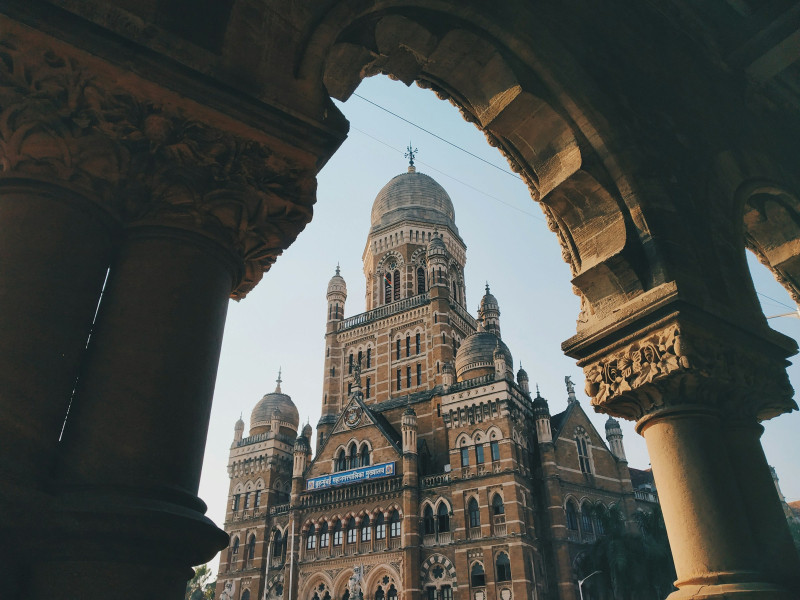
The Prince of Wales Museum (now renamed the Chhatrapati Shivaji Maharaj Vastu Sangrahalaya (CSMVS) Museum) is an elaborately decorated building in central Mumbai housing artefacts charting the history of India from the Bronze Age to the present day.
Where to stay
Many of Mumbai’s most famous hotels are located in the downtown areas of Churchgate, Colaba and Fort – and these are the best places to stay if you want to be close to Mumbai’s renowned tourist sites. The ornate, 5-star Taj Mahal Palace Hotel, opened in 1903, faces the Gateway of India and has become something of a landmark in its own right.
If you’re travelling for business, you might find it more convenient to stay at a hotel in Nariman Point, Mumbai’s traditional business district. It is home to hotels like The Trident, a towering 600-bed, 5-star hotel on the waterfront. Mumbai Stock Exchange, however, is located at the newly developed Bandra Kurla Complex near Mumbai Airport, a purpose-built commercial district, and many multinational businesses have now moved their headquarters here.
Consular assistance
If you should find yourself needing consular assistance during your time in Mumbai, contact the British Deputy High Commission, located at the Bandra Kurla Complex. Office hours are 0800-1600, Monday to Thursday, and 0800-1300 on Friday, and visits are by appointment only – but you can get urgent help 24/7 via the Foreign & Commonwealth Development Office’s Emergency Contact Form.